Is Fort Lauderdale the yachting capital of the world?
Fort Lauderdale's yachting capital claim, traced to the real numbers: 50,000+ registered yachts, 100+ marinas, and the largest in-water boat show on earth, plus what it means for a dinner cruise.
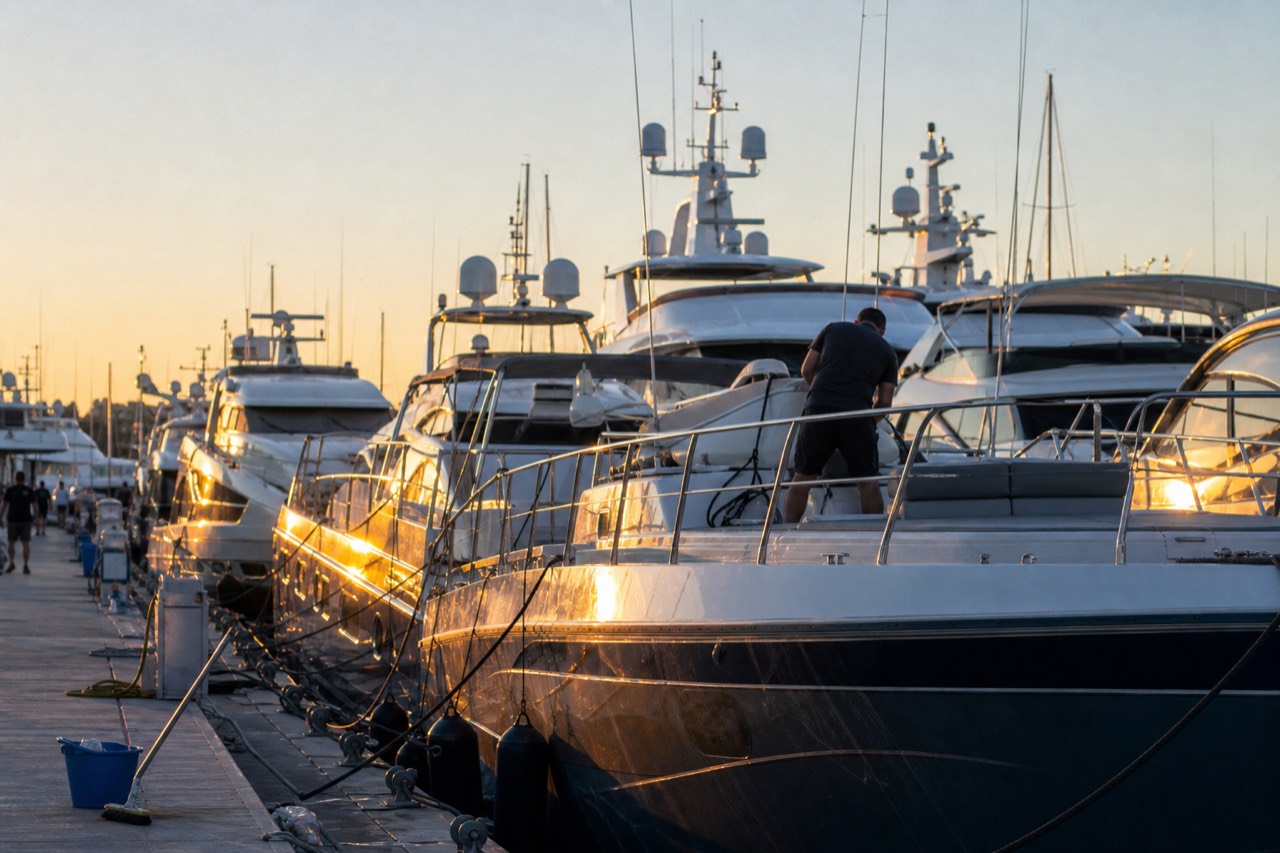
Is Fort Lauderdale The Yachting Capital Of The World?
Yes, in practice, though no single authority awards the title. Fort Lauderdale and Greater Fort Lauderdale use "Yachting Capital of the World" as a longstanding civic and tourism designation, backed by real numbers: more than 50,000 registered yachts, over 100 marinas, roughly 2,000 superyachts visiting each year, and the largest in-water boat show on earth, held here since 1959.
The claim is promoted by official tourism sources, the Marine Industries Association of South Florida, and the region's own visitor economy machinery, and it is repeated widely enough in reputable publications that it functions as an established title rather than marketing puffery. But the kind of title this is deserves a closer look. No governing body certifies a yachting capital. There is no annual ranking body that hands Fort Lauderdale a trophy. What exists instead is a decades-long accumulation of marine infrastructure, yacht traffic, and industry events that makes the claim genuinely hard to argue with, and easy to verify with a short boat ride.
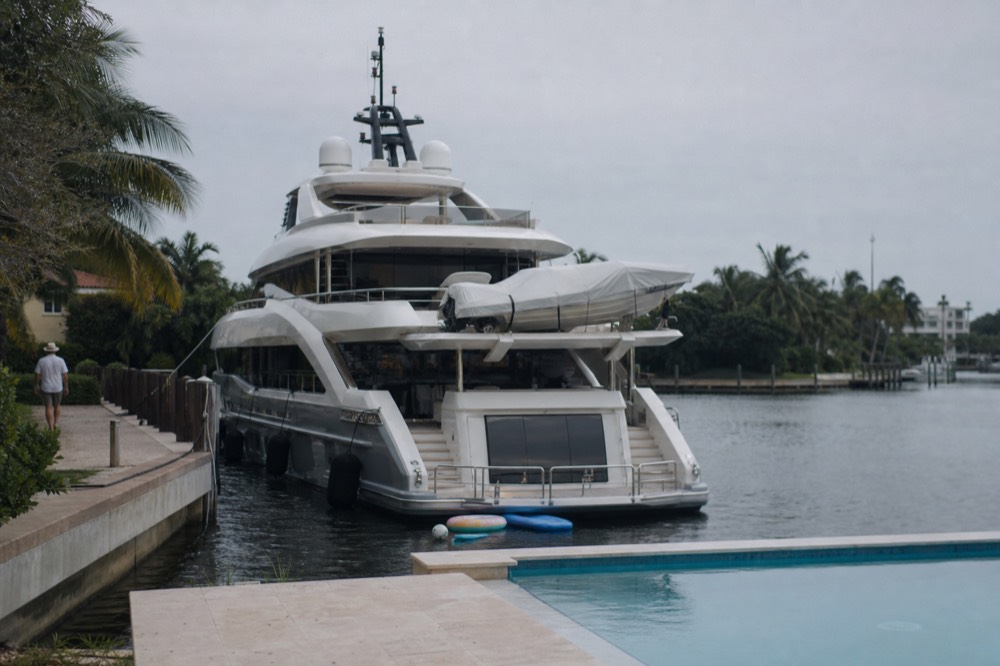
That is the interesting part for visitors. You do not have to take the slogan on faith, because the evidence floats past you. A dinner cruise on the New River or the Intracoastal Waterway passes marinas stacked with vessels, mega-yachts tied up at private docks, and waterfront homes that exist largely because their owners wanted their boats outside the window. The city's nickname, the "Venice of America," refers to the same web of canals and waterways that makes all of this possible.
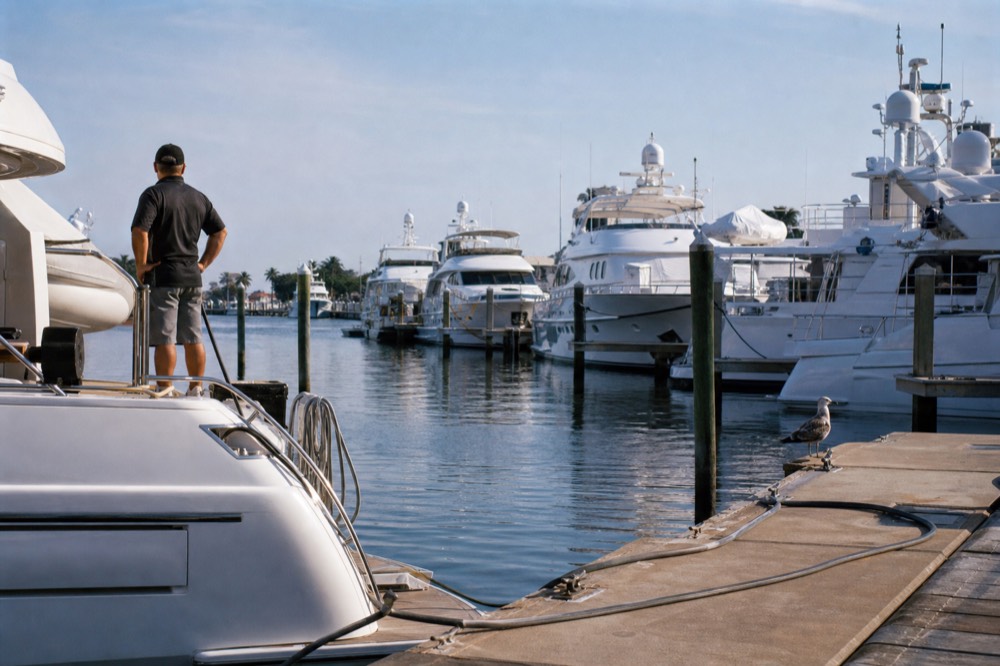
The official tourism board lays out the yachting case directly on its Visit Lauderdale yachting page, and the city's marine industry repeats it. For a site like Dinner Cruises in Fort Lauderdale, the title matters for a simple reason: it explains why the water here is worth an evening of your time. The dinner-cruise routes described below give visitors a view of this waterfront.
Where Does The Title Come From?
The designation rests on four measurable pillars: more than 50,000 registered yachts in the area, over 100 marinas, roughly 2,000 superyachts calling at Port Everglades and local yards annually, and a marine services industry clustered along the New River and the Intracoastal. Wikipedia, the tourism board, and the Marine Industries Association of South Florida all cite the same core figures.
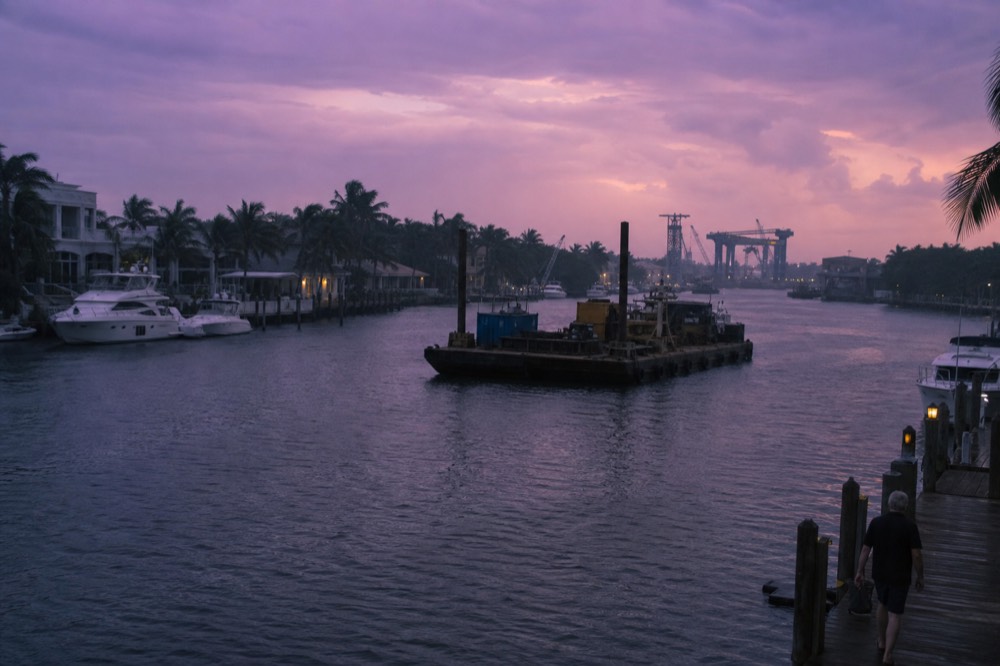
None of that happened by accident. Fort Lauderdale's dredging and canal development in the early twentieth century created one of the most extensive residential waterfront networks in the United States, and the marine trades followed the boats. Today the New River corridor is lined with yacht yards, refit facilities, brokerages, and crew agencies, the unglamorous industrial side of the yachting economy that most visitors never think about. Roughly 2,000 superyachts visit the area each year, many for service work rather than tourism, which is what keeps the yards and the skilled trades here year-round.
Here is how the core numbers stack up:
| Figure | What it measures | Source type |
|---|---|---|
| 50,000+ registered yachts | Yachts registered in the Fort Lauderdale area | Wikipedia, citing regional marine data |
| 100+ marinas | Marinas across Greater Fort Lauderdale and Broward County | Wikipedia and MIASF |
| ~2,000 superyachts annually | Superyacht calls at Port Everglades and local yards | Industry and tourism reporting |
| Since 1959 | Fort Lauderdale International Boat Show running continuously | FLIBS official history |
| $1.79 billion (checked September 2026) | Reported statewide economic impact of FLIBS | Official show figures |
One honest caveat: the "yachting capital" label is a promotional and civic claim, not a formal title from one authority, and no origin date for the phrase has ever been pinned down. It grew out of the city's waterways, its marine industry, its superyacht traffic, and the boat show's prominence. That is different from, say, a legal designation, and a fair reading of the evidence is that the claim is earned rather than awarded.
There is a regulatory layer behind the scenery that most visitors never hear about, and it explains why all this vessel traffic runs as smoothly as it does. The dinner-cruise boats themselves fall under U.S. Coast Guard inspection rules for small passenger vessels, and the waterways here sit within the Coast Guard's Sector Miami area of responsibility, which conducts safety inspections and enforcement across South Florida's ports. In other words, the same regulatory machinery that keeps a superyacht economy functioning also governs the riverboat you board for dinner, and that is part of what makes an evening cruise here feel routine rather than adventurous.
How The Boat Show Cements The Title Every October
The Fort Lauderdale International Boat Show, known as FLIBS, is the largest in-water boat show in the world, with more than 1,300 boats on display, over 1,000 exhibiting brands, and 100,000-plus attendees annually. The 2026 edition runs October 28 through November 1 across seven waterfront sites (checked September 2026).
The show sprawls across Bahia Mar Yachting Center, Las Olas Marina, the Hall of Fame Marina, the Superyacht Village at Pier Sixty-Six South, the Pier Sixty-Six Marina, and the Broward County Convention Center, roughly 90 acres and nearly three million square feet of exhibit space connected by shuttles, golf carts, and water taxis. One ticket covers access across all locations. If you want the full logistics, our Fort Lauderdale boat show guide breaks down venues, parking, and how the transport web fits together.
| FLIBS 2026 ticket | Price | Validity (checked September 2026) |
|---|---|---|
| Wednesday Preview | $73 | Any one day, Wed-Sun |
| Adult 1-Day GA | $48 | Thu-Sun |
| Adult 2-Day GA | $80 | Thu-Sun |
| Child 1-Day GA (ages 6-12) | $19 (checked September 2026) | Wed-Sun, under 6 free with adult |
Tickets are sold exclusively online in advance through the official show site, with no on-site box office, and the show's own pages carry the current details at flibs.com. Active military and veterans can request a complimentary general admission ticket for Sunday in advance.
There is a nice symmetry here for dinner-cruise travelers: the show's main hub, Bahia Mar Yachting Center at 801 Seabreeze Blvd, is the same dock complex where the Jungle Queen riverboat boards. During show week the whole waterfront is at maximum density, yachts everywhere, water taxis packed, marina docks transformed into exhibit space. An evening on the water that week feels less like a sightseeing cruise and more like a tour of a floating city.
Show week also changes the practical calculus for visitors. Parking near Bahia Mar fills early, the Broward County Convention Center becomes the primary park-and-ride hub with over 3,000 spots at a flat rate of about $20 per day (checked September 2026), and shuttles, golf carts, and water taxis connect all seven venues. If you are combining a show day with a dinner cruise, book the cruise early for that window, because the whole city's waterfront attention is pointed at the same stretch of water.
What You Actually See From The Water On A Dinner Cruise
A Fort Lauderdale dinner cruise passes the yachting capital's evidence directly: the narrated stretches along the New River and Intracoastal Waterway take you past Millionaire's Row waterfront homes, private docks with mega-yachts, marina after marina, and the Las Olas waterfront. The two dinner cruises departing from Bahia Mar cover this scenery from different angles.
The Jungle Queen Riverboat has been running the New River since 1935, and its about-four-hour dinner cruise departs Bahia Mar's Pier Dock A around 6pm Wednesday through Sunday. It is rated 4.2 across over 1,300 reviews (checked September 2026), and the live listing has the current price. The route is the classic one: a narrated cruise past Millionaire's Row, then an all-you-can-eat BBQ dinner on the private Tropical Isle, followed by a live Polynesian-style variety show before the ride back. It is the full-evening production, dinner, show, and scenery in one ticket.
The Intracoastal Waterway dinner cruise run by Sea Rocket Water Adventures offers a 3-hour outing with a restaurant dinner ashore instead of an island barbecue. Restaurant stops rotate weekly among Bokampers Sports Bar & Grill, 15th Street Fisheries and Tiki Tiki. Beverages may cost extra. The restaurant stop gives the evening a different format while keeping the waterway ride part of the experience.
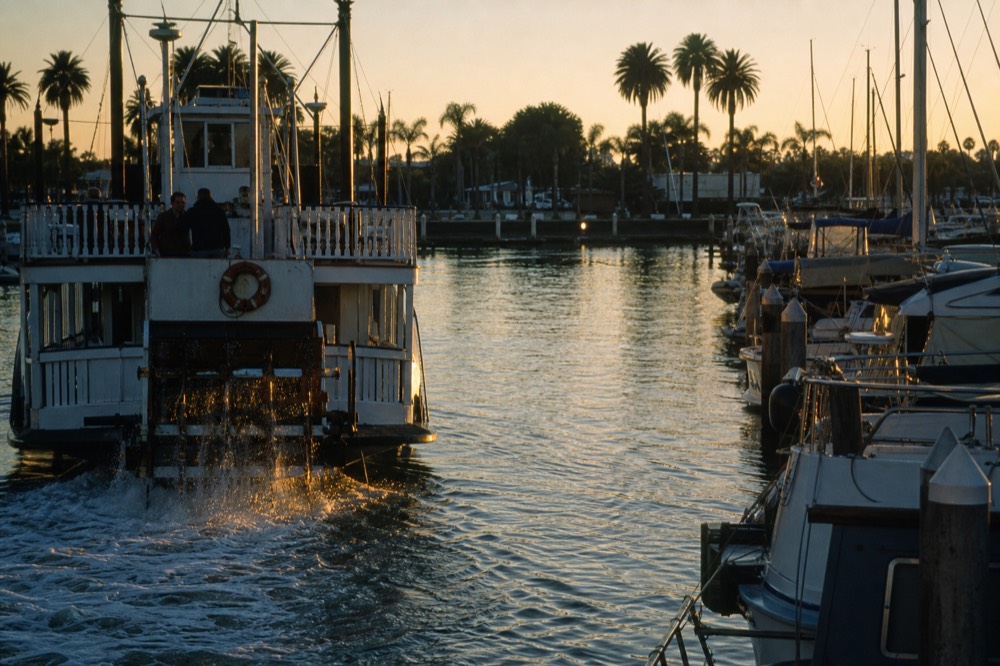
One thing that surprises first-time visitors: the scale. The yachts you pass are not background scenery, they are often the main event, and captains narrate them the way other cities' guides narrate cathedrals. The "Venice of America" canal network means the water views keep coming for the entire ride, not just at one scenic overlook. If you are weighing a shorter evening on the water instead, our Fort Lauderdale sunset cruise guide covers the sightseeing-only options, including Sea Rocket's separate 60-to-75-minute sunset cruises, which are real products but not dinner cruises.
Both dinner cruises operate on protected inland waterways rather than the open ocean, which is why they run rain or shine and why the ride stays smooth even when the Atlantic is choppy. That inland routing is itself a product of the yachting capital's geography: the same dredged canals and river channels that gave the marine industry its home gave the tour boats a sheltered theater to work in. You get the mansions, the yachts, and the skyline without ever feeling swell beneath the deck.
Do Other Places Contest The Title?
Yes, but on different terms. Monaco, Antibes, and Palma are Europe's superyacht hubs, and places like Newport and Annapolis have strong historic sailing claims. What Fort Lauderdale has that none of them match is the combination of sheer registered-yacht volume, marina count, year-round superyacht service traffic, and the largest in-water boat show in the world.
The honest framing is that "yachting capital" depends on what you measure. If you measure glamour per square meter, the French Riviera wins. If you measure historic sailing culture, New England has its case. But if you measure the industrial reality of yachting, where boats are built, serviced, stored, registered, bought, sold, and displayed at scale, Fort Lauderdale's 50,000-plus registered yachts and 100-plus marinas put it in a category of its own in the United States, and the annual superyacht traffic of roughly 2,000 vessels is a working-yard number, not a tourism number.
The title also shows up in the calendar beyond October. Every December the Seminole Hard Rock Winterfest Boat Parade, the 55th edition confirmed for Saturday, December 12, 2026 (checked September 2026), sends more than 100 decorated vessels down the same New River and Intracoastal route the dinner cruises use. Our Winterfest boat parade guide covers viewing spots and bridge closures. Between FLIBS in late October, Winterfest in December, and the everyday superyacht traffic, there is barely a season when the waterways are not showing off.
Even the everyday transportation here leans on the water. The Water Taxi runs seven days a week, 10am to 10pm, with an all-day pass at $38 for adults (checked September 2026), hopping between more than 30 stops past the same marinas and mansions. Our Fort Lauderdale water taxi guide covers it in detail, and it is a good daytime companion to an evening dinner cruise if you want the full waterfront picture.
So the fair verdict: Fort Lauderdale's claim is real, measurable, and repeated by the official tourism board and the marine industry alike, with the caveat that it is a civic designation rather than a certified one. For a visitor, the practical translation is simple. This is one of the best cities in the world to be on a boat in the evening, and the yachts are the reason.
Fort Lauderdale's yachting capital status is a civic and tourism designation backed by measurable figures rather than a formally awarded title, and the questions below cover the numbers people ask about most: how many yachts are registered here, where the Venice of America nickname comes from, what the boat show adds, and whether you can see the yachts yourself on a dinner cruise.
Common Questions About Fort Lauderdale'S Yachting Capital Title
Is Fort Lauderdale the yachting capital of the world?
Yes, in practice. The designation is a longstanding civic and tourism claim promoted by Visit Lauderdale and the Marine Industries Association of South Florida, backed by more than 50,000 registered yachts, over 100 marinas, roughly 2,000 superyachts visiting annually, and the largest in-water boat show in the world since 1959. No single authority formally awards the title.
How many yachts are registered in Fort Lauderdale?
More than 50,000 registered yachts are cited for the Fort Lauderdale area, a figure repeated by Wikipedia, the tourism board, and marine industry sources. The area also hosts over 100 marinas across Greater Fort Lauderdale and Broward County.
Why is Fort Lauderdale called the Venice of America?
Because of its extensive network of canals and waterways, which creates one of the most dense residential waterfront layouts in the United States. The same canal system underpins the yachting industry, since it gives boats and marinas direct access throughout the city.
What is the largest in-water boat show in the world?
The Fort Lauderdale International Boat Show, held annually since 1959. The 2026 edition runs October 28 through November 1 (checked September 2026) across seven waterfront sites, with more than 1,300 boats on display, over 1,000 exhibiting brands, and 100,000-plus attendees.
Can you see superyachts on a Fort Lauderdale dinner cruise?
Yes. Both dinner cruises departing from the Bahia Mar area, the Jungle Queen Riverboat and the Sea Rocket Intracoastal dinner cruise, travel narrated routes past Millionaire's Row homes, private docks with mega-yachts, and the Las Olas waterfront. The yachts are a central part of the scenery, not an occasional sighting.
Do I need a REAL ID to board a dinner cruise in Fort Lauderdale?
No. REAL ID is an airport and federal facility requirement only, and domestic dinner cruises have no federal ID mandate. Bring a photo ID mainly if you plan to order alcohol, since operators check age under Florida alcohol law.
Choose Your Cruise Date
Compare Formats And Adjust Your Choice
Jungle Queen BBQ Dinner, Island Show and Sightseeing Cruise · 240 minutes
Four-hour shared river cruise with BBQ dinner ashore at Tropical Isle and a variety show. Starts and returns at Bahia Mar; follow the dock and arrival instructions on your voucher. Drinks are extra. Confirm arrival instructions and dietary needs before booking.
Water Taxi All-Day Hop-On Hop-Off Boat Tour · Flexible day pass
Flexible hop-on hop-off sightseeing with live commentary. Board at a listed Water Taxi stop. Meals and drinks are separate. Check routes and return service. Wheelchair users must be able to take several steps to transfer.
No reviewed option fits that choice. Adjust your choice or reset to explore the listed experiences.
Ready to see the yacht-lined river? Check your Jungle Queen dinner-and-show date before planning the rest of your evening.
Jungle Queen BBQ Dinner, Island Show and Sightseeing Cruise · 240 minutes
Four-hour shared river cruise with BBQ dinner ashore at Tropical Isle and a variety show. Starts and returns at Bahia Mar; follow the dock and arrival instructions on your voucher.
Choose a date to view the Viator schedule. Availability and final price are confirmed on Viator.